• Decrease font size
  • Reset font size to default
  • Increase font size
Frontpage Slideshow (version 2.0.0) - Copyright © 2006-2008 by JoomlaWorks
Deutsch (DE-CH-AT)English (United Kingdom)

Latest Events

No current events.

Like it? Share it!

History of wheel gymnastics E-mail

The beginning
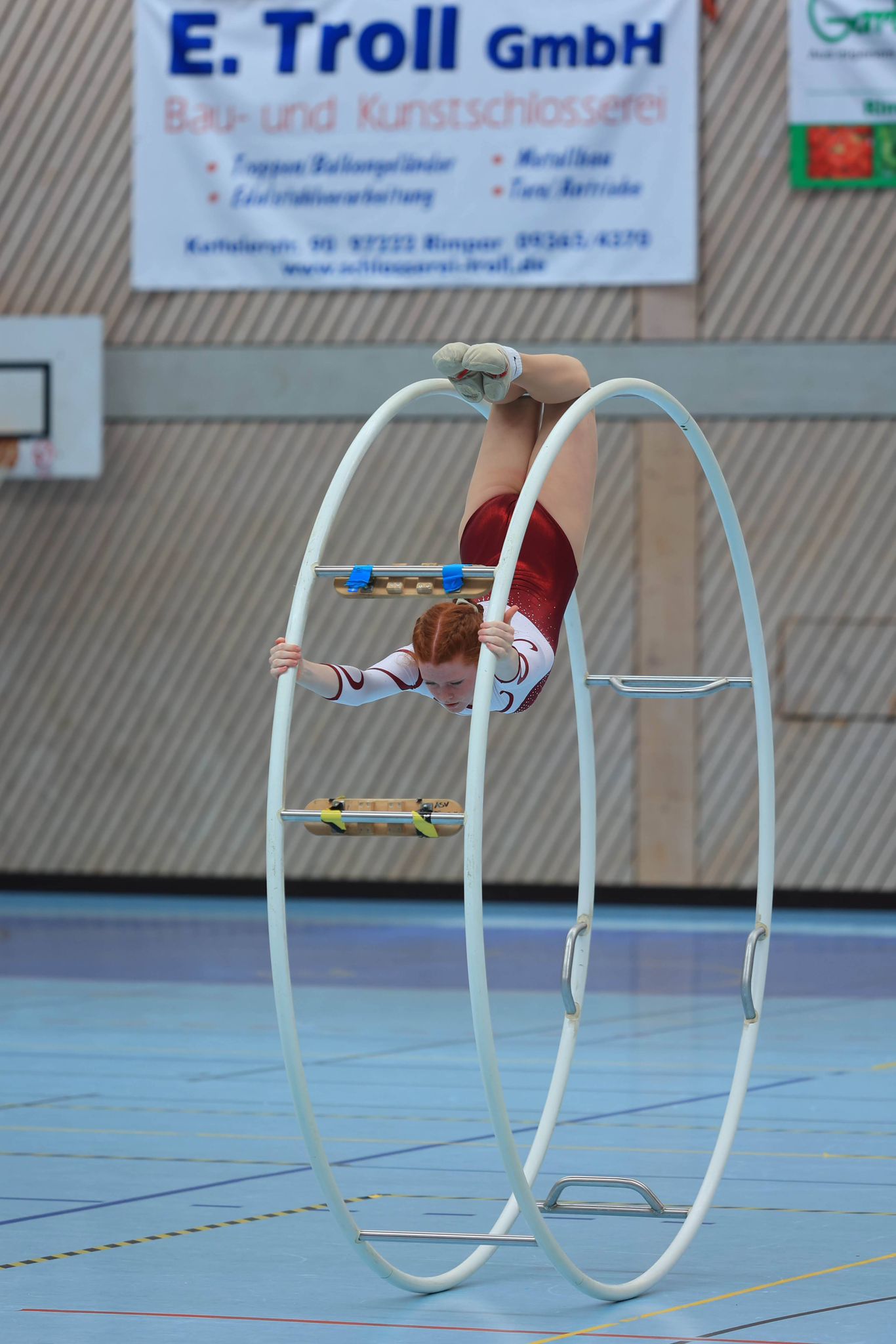
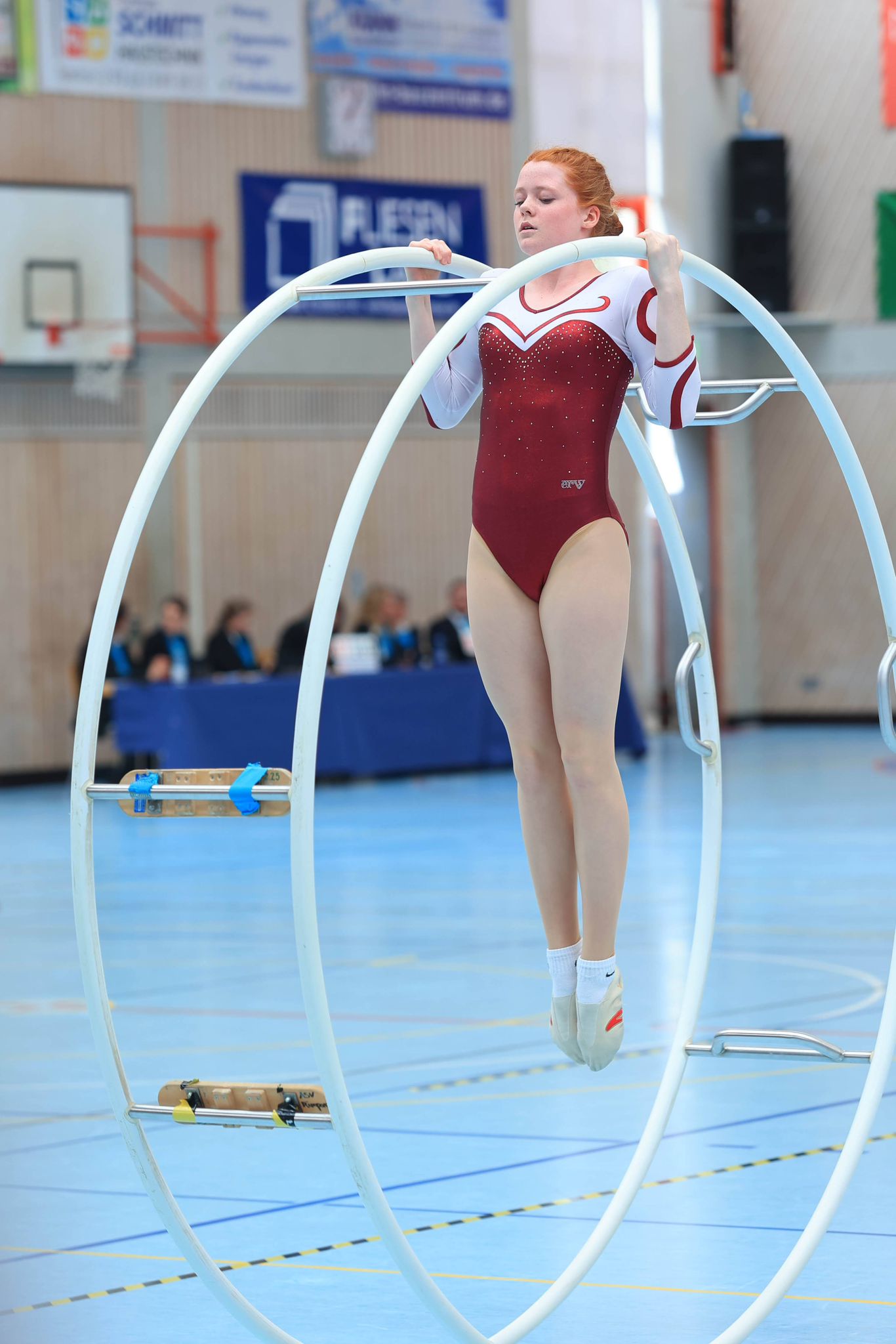
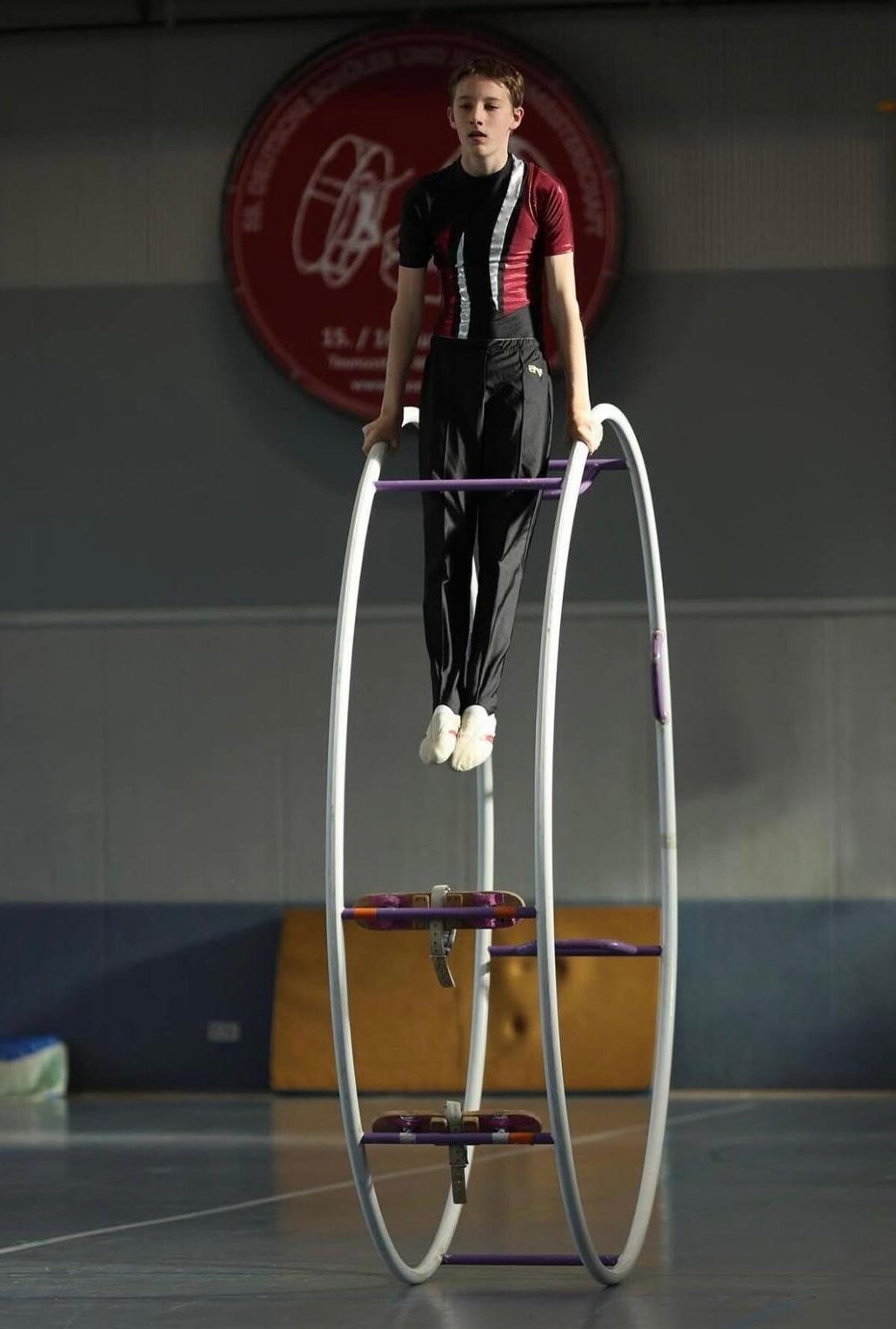
During the occupation of the Ruhrgebiet after the First World War, many people were taken into custody, among them Otto Feick, a railway worker. In the solitude of his imprisonment, he remembered an event of his childhood. He connected two iron hoops of an old and rolled down a hill. Still in prison, he decided to develop this idea further. After he regained his freedom, he moved to the hometown of his wife, Schönau at the Brend, where he opened metal workshop. During the years 1924 and 1925 he designed the wheel as a gymnastic apparatus and received a patent in 1925. He named his invention “Rhönrad” to honour his new home, the German mountain range called Rhön. In the same year, Otto Feick protected his patent rights in 30 countries. In the beginning of 1926, he presented the gym wheel at the University of Sports in Berlin.
Shortly after, a small group of selected gymnasts presented the wheel in England, France, and the United States of America under the direction of Otto Feick. The first international competition took place in 1930 in Bad Kissingen. Highlight of this early development of wheel gymnastics was the participation of about 120 gym wheel gymnasts in the opening ceremony of the Olympic Games 1936 in Berlin. The Second World War ended the first era of wheel gymnastics.

The renaissance
The development of wheel gymnastics continued after the time of slow and difficult reconstruction of Germany after the end of the Second World War. The presentation of wheel gymnastics at the Meeting of the German Gymnastic Association 1958 in Munich was the critical step, which lead to the incorporation of wheel gymnastics into the German Gymnastics Association in 1959. The first German Championships took place in 1960 in Hannover and was followed by a development of several more competitive classes during the following years.

The popularity of wheel gymnastics increased slowly but steadily. The sport was involved as a basic component in the Gymnaestradas in 1982 in Zurich, Switzerland and 1987 in Herning, Denmark. Internationally, the show team of the German Gymnastics Association attracted a great deal of attention with their modern choreographies, which brought forth the formation of gym wheel groups in Israel, Japan, and many other European countries. In 1990, the first Cup of Europe was held in Taunusstein, Germany.

In 1992, the first European Championships were held in Liestal (Basel), Switzerland. After the foundation of the International Association for Wheel Gymnastics (IRV) in 1995, the first World Championships took place in Den Helder, Netherlands in 1995. Since then, World Championships are held every two years, with alternating international training camps in the years between. In 2001, the IRV started the corporation with the European Online Service GYMmedia Berlin, who since then report of events and competitions under “wheel gymnastics”. In the same year, the World Championships took place in Liestal, Switzerland, followed by World Championships 2003 in Lillehammer, Norway; 2005 in Aachen/Bütgenbach, Germany/Belgium; and 2007 in Salzburg, Austria. 

Since the Second World War, wheel gymnastics has spread from Germany to many other countries, including Holland, Belgium, Switzerland, Spain, Israel, Norway, Finland, Sweden, England, Austria, Korea, Italy, Portugal, Brazil, Argentina, Japan, China, Australia, Canada and the United States.

* adapted from the booklet from the 39th German Championships in Schönau an der Brend, 2000